
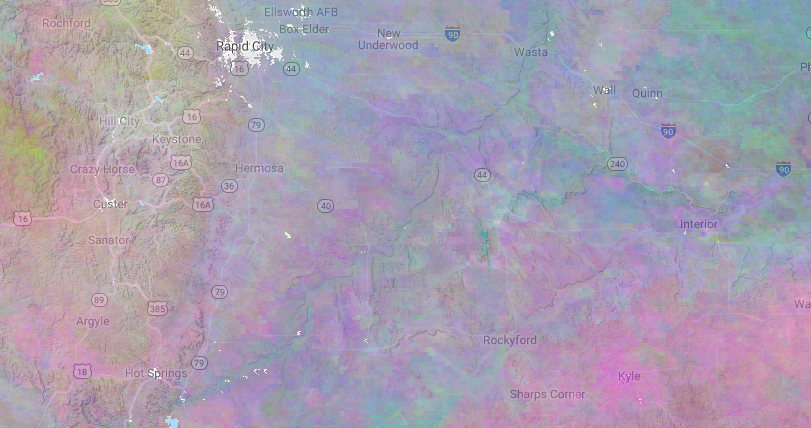

In the university classroom, exposing students to real natural resource mapping scenarios using Big Data is valuable experience. ISRIC – World Soil Information guest researcher David G. Rossiter did just that when he asked his students in a Cornell University graduate course to use ISRIC’s SoilGrids250m data in Google Earth Engine.
“The advantage of using Google Earth Engine is that all processing is done remotely, on Google servers, so that any computer with a web browser can perform the most sophisticated analyses, over any part of the world,” explained David, who holds an appointment as Adjunct Associate Professor in the Soil & Crop Sciences section at Cornell University in the United States. “In the case of SoilGrids250, this allows rapid analysis of the soil patterns.”